




Friday, 16 October 2026
Friday, 16 October 2026

A comprehensive study has shown that microfinance services in Nepal have brought significant positive changes in the living standards of member users who invested microfinance loans in agricultural activities in recent years.
This academic research was conducted over a five-year period by researcher Bishnu Prasad Bhandari as part of his PhD studies. The study concludes that after becoming affiliated with microfinance institutions, members became economically stronger and gradually moved toward social transformation.
The research was completed under the supervision of Professor Dr. Kesharjung Baral and Professor Dr. Keshav Raj Joshi. The study adopted the Sequential Explanatory Mixed Methods approach, in which quantitative analysis was conducted first, followed by qualitative analysis.
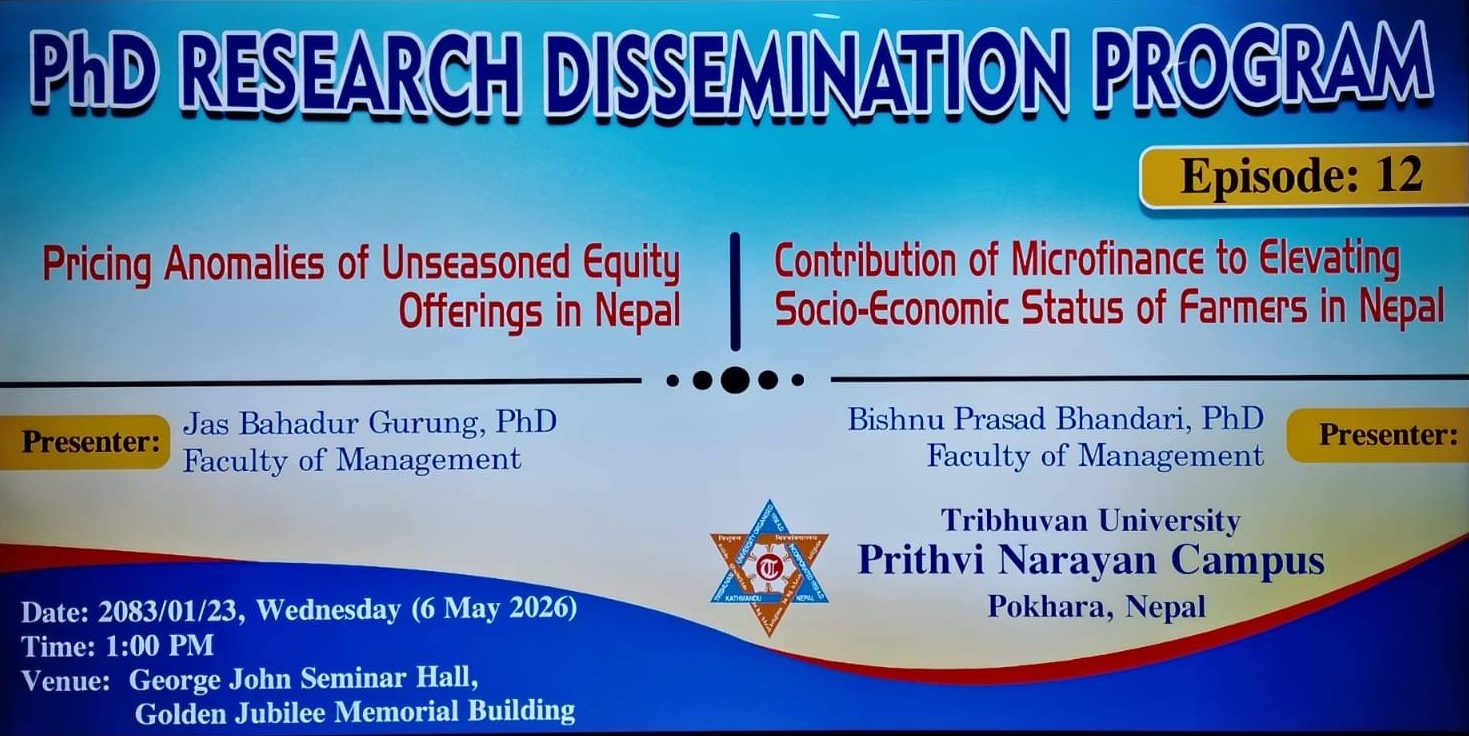
For the quantitative aspect, an extensive survey was conducted among 380 microfinance user members. For the qualitative aspect, five representative case studies were carried out to deeply examine members’ real experiences, behavior, and changes in their living standards. The research was conducted in Annapurna Rural Municipality and Pokhara Metropolitan City of Kaski district, as well as Barbardiya Municipality and Badhaiyatal Rural Municipality of Bardiya district.
According to the findings, after joining microfinance institutions, members’ access to formal financial services expanded significantly. Many members who had previously depended on moneylenders and informal loans are now using loans, savings, and other financial services through microfinance and banking systems. Although the impact was comparatively greater in urban areas, the study indicates that microfinance is gradually becoming an important financial foundation in rural areas as well. However, the continued dependence of some rural members on informal credit highlights the need to further strengthen the accessibility, quality, and targeted programs of microfinance services.
From an economic perspective, clear growth was observed in the average income, savings, expenditures, and assets of member households after joining microfinance institutions. This has strengthened the economic stability of families and promoted long-term financial security. In addition, many members were found to be increasingly involved in livestock farming, vegetable cultivation, and small agriculture-based enterprises. Members engaged in such enterprises earned comparatively higher incomes, confirming that microfinance has positively contributed to employment generation and the promotion of local entrepreneurship. As a result, unemployment within families was found to have decreased significantly.
The impact of microfinance was not limited to income alone. It also contributed to expanding market access, increasing the use of modern agricultural technologies, and strengthening food self-sufficiency. The comparatively better food security situation among members adopting modern agricultural practices clearly demonstrated the connection between microfinance and agricultural modernization.
Significant changes were also observed in social aspects. Families that had long been affiliated with microfinance institutions showed increased school attendance among children, greater health awareness, more regular health checkups, and improvements in community participation and leadership capacity. This clearly indicates that microfinance services contribute not only to economic progress but also to social empowerment.
Analysis of members’ perceptions and satisfaction showed that satisfaction with microcredit services was the main factor shaping their overall perception of microfinance. Although urban members appeared more satisfied with loan services, the comparatively lower satisfaction level among rural members suggests the need for more effective implementation of rural-focused services, loan management, and support programs.
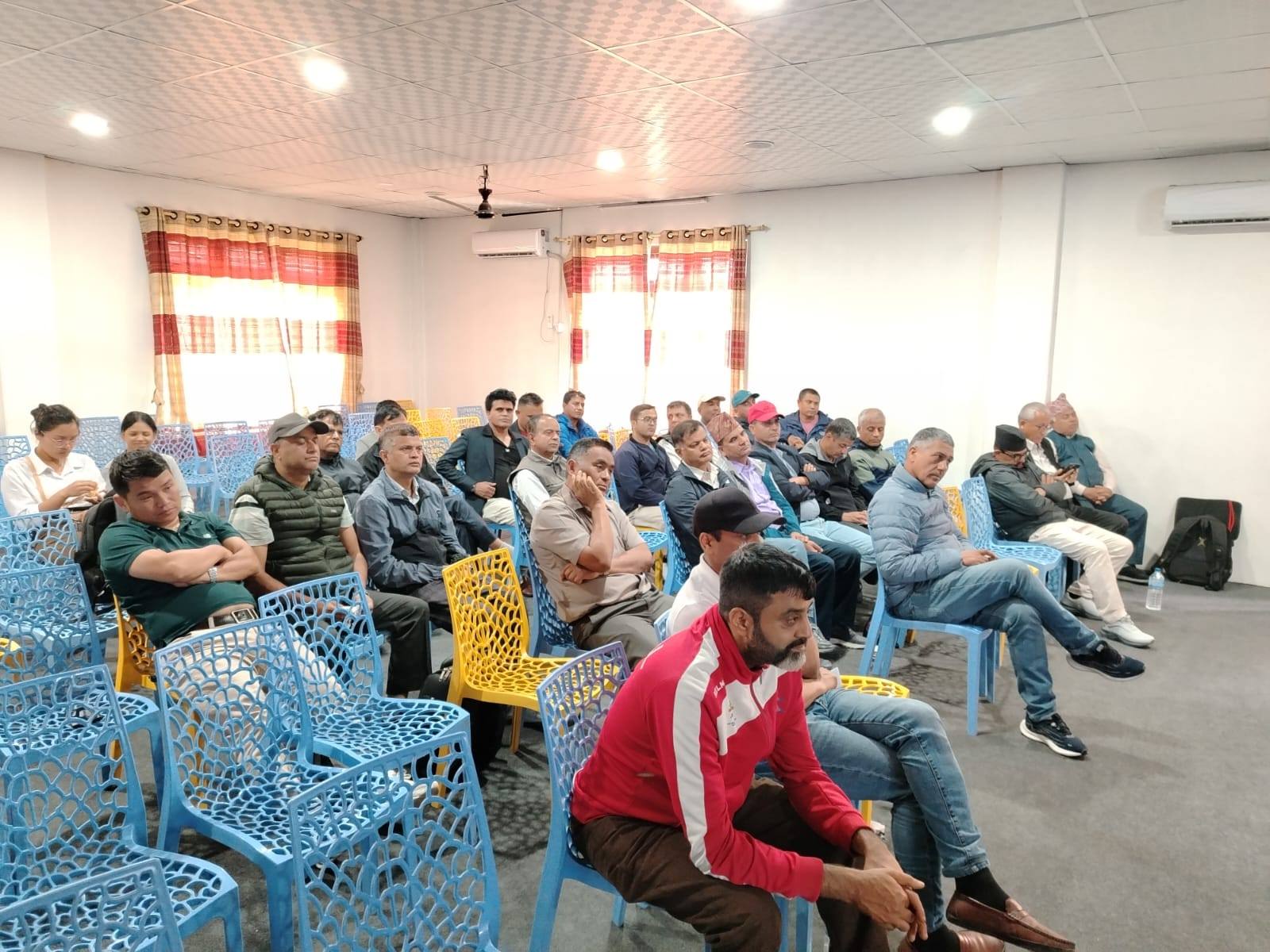
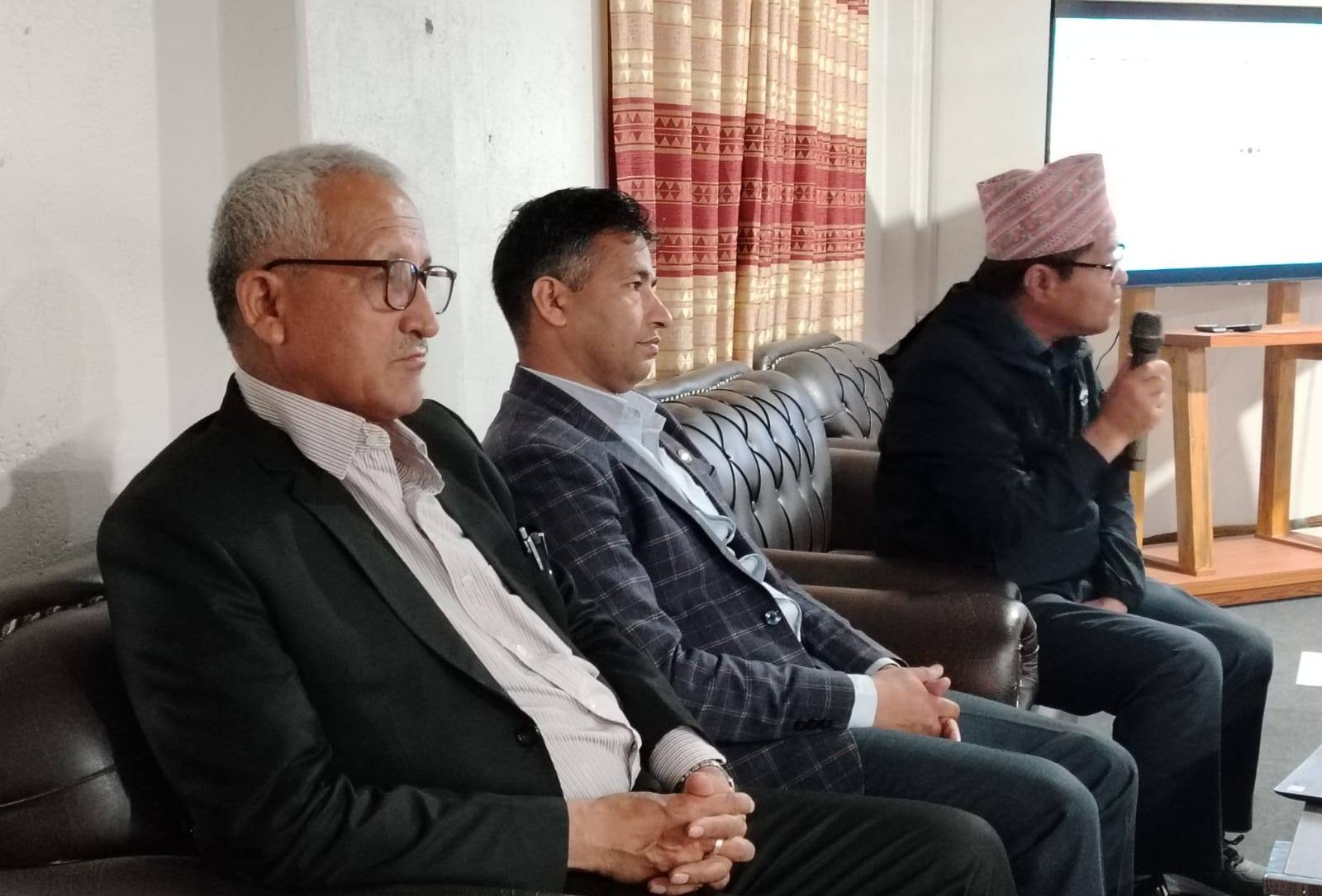
The study was evaluated by external expert Professor Dr. C. P. Gupta, former Dean of the Faculty of Commerce at the University of Delhi, India. The summary of the research was made public on Wednesday at Prithvi Narayan Campus in the presence of campus professors and staff. The program was chaired by Associate Professor Dr. Bir Bahadur Karki, Head of the Management Research Department, while QAA Chief Amrit Bhandari hosted the event.
Overall, the PhD research concludes that an integrated microfinance model linked with credit, savings, training, insurance, and social support can serve as an effective tool for the economic and social transformation of microfinance users involved in agriculture. The study expresses confidence that with appropriate policies, expanded financial literacy, development of rural-friendly services, and stronger institutional coordination, microfinance can make a long-term contribution to improving the living standards of member families.











MORE NEWS
Young leadership in choice, Saugat wins with respectable votes
‘Youth in slogans many times, Youth in leadership this time’ – Saugat Thapa [Video]
Baglung flood: Three killed as flood sweeps away motorcycle and scooter
Gandaki minister Deepak Manange resigns after ministry transfer